 Skip to content

#1 Google Ads Management Phoenix That Wins
Take back the sales your competitors keep taking
Your competitors aren’t winning because they’re better. Their ads show up where yours don’t. Stop paying for clicks that go nowhere and start running campaigns that bring profitable customers to your doorstep.












Tired of paying for clicks that don’t turn into sales?
Maybe you’ve tried running a Google Ads campaign yourself. Or maybe you paid a PPC agency in Phoenix to handle it. Either way, the story is the same: money going out, not much coming back. Your ad spend keeps rising, but the calls and leads do not. You get reports filled with keywords and numbers, but none of it explains why customers are not converting on your landing page.
Without proper Google Ads management and real optimization, you are basically paying Google to stay invisible. What you need are PPC campaigns built on solid keyword research, better conversion rates, and best practices that actually help you grow your business in AZ.
AS FEATURED IN

Proof we don’t just set and forget it...
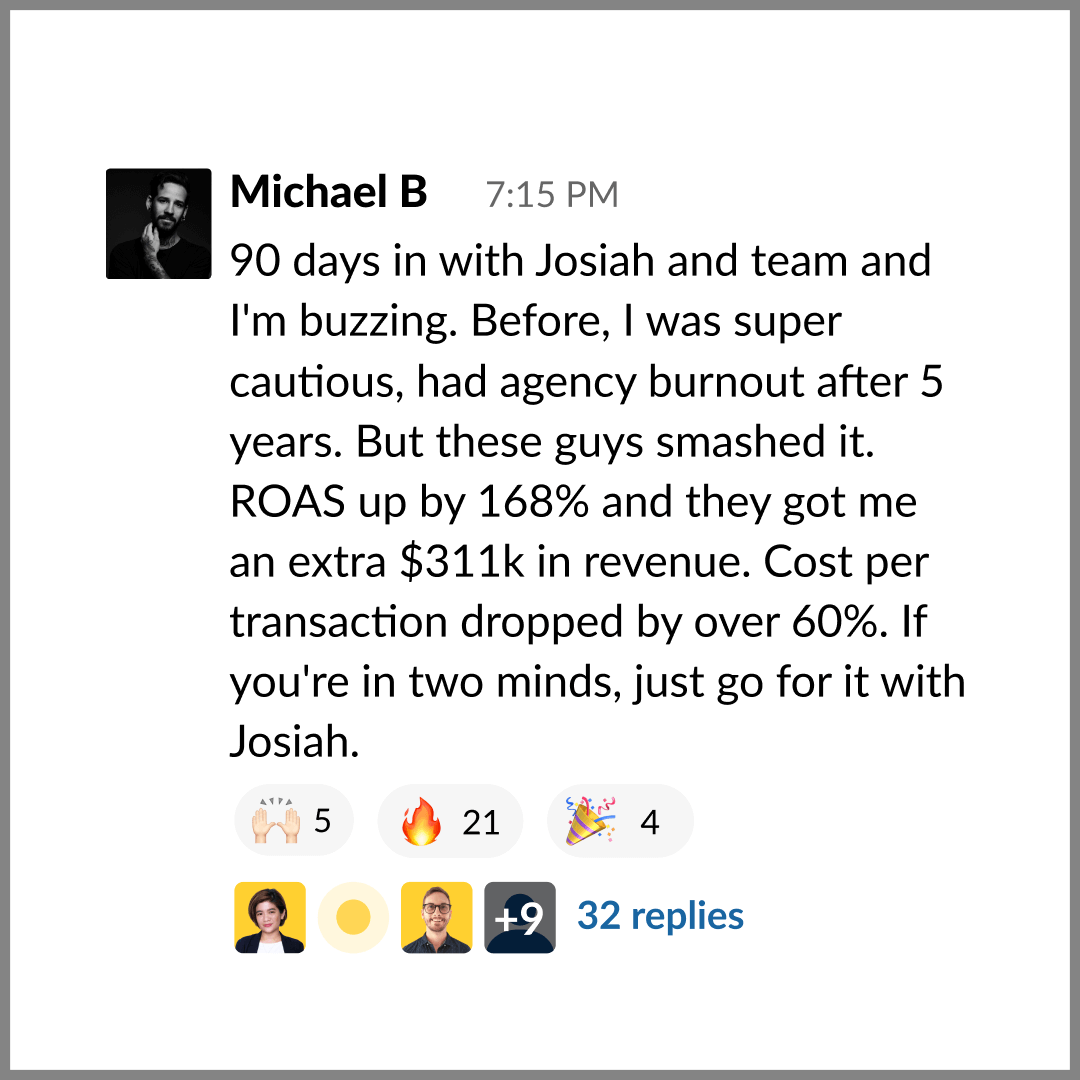
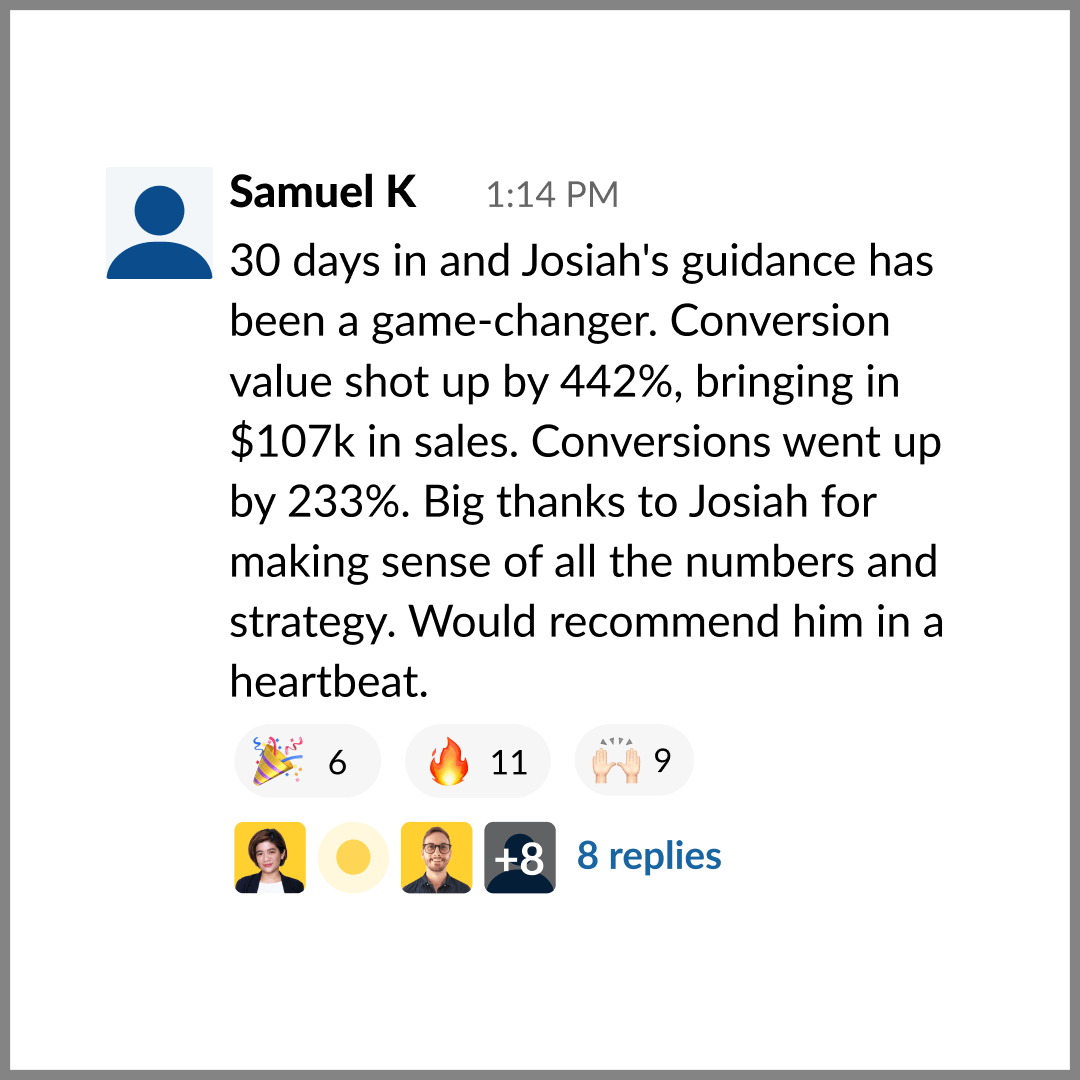
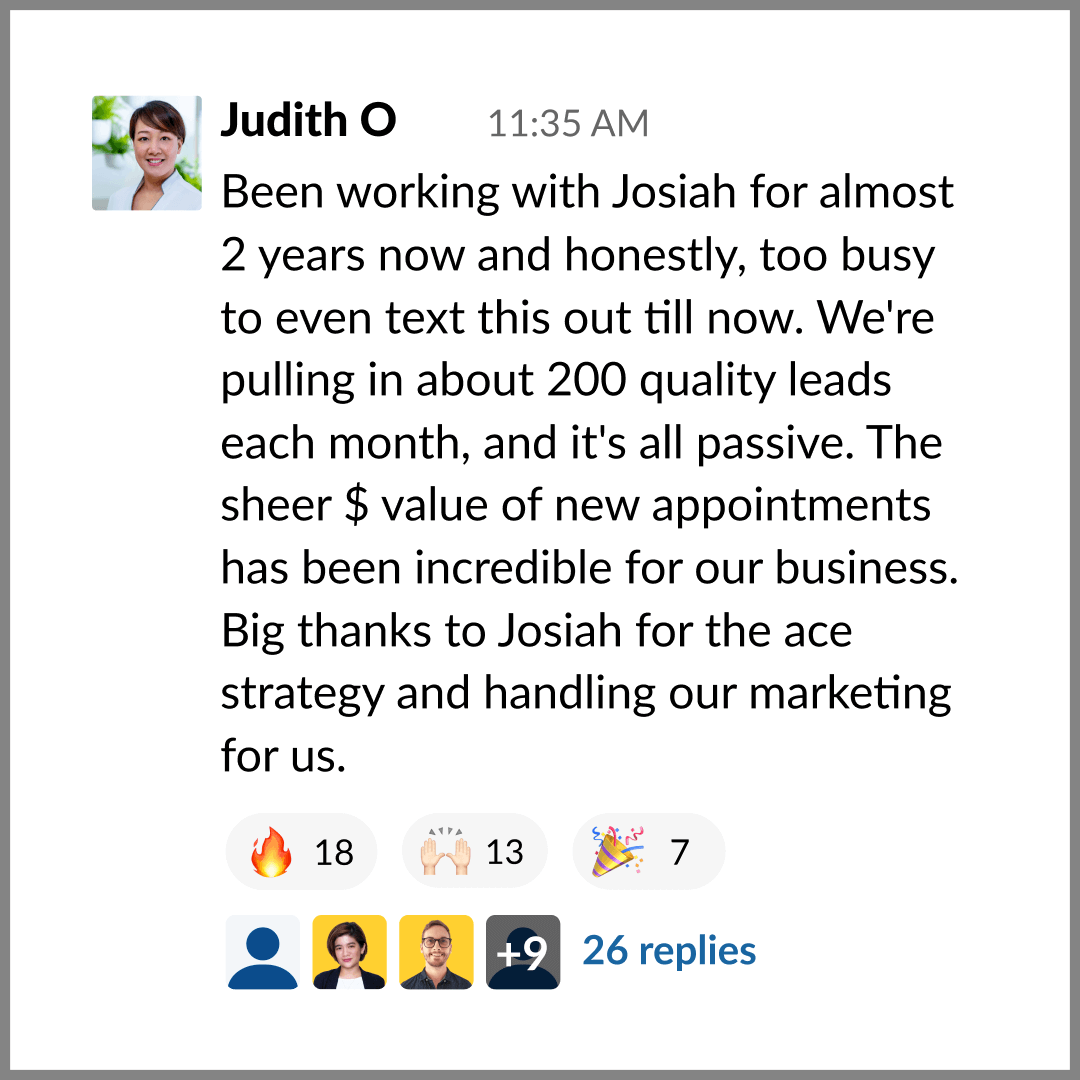
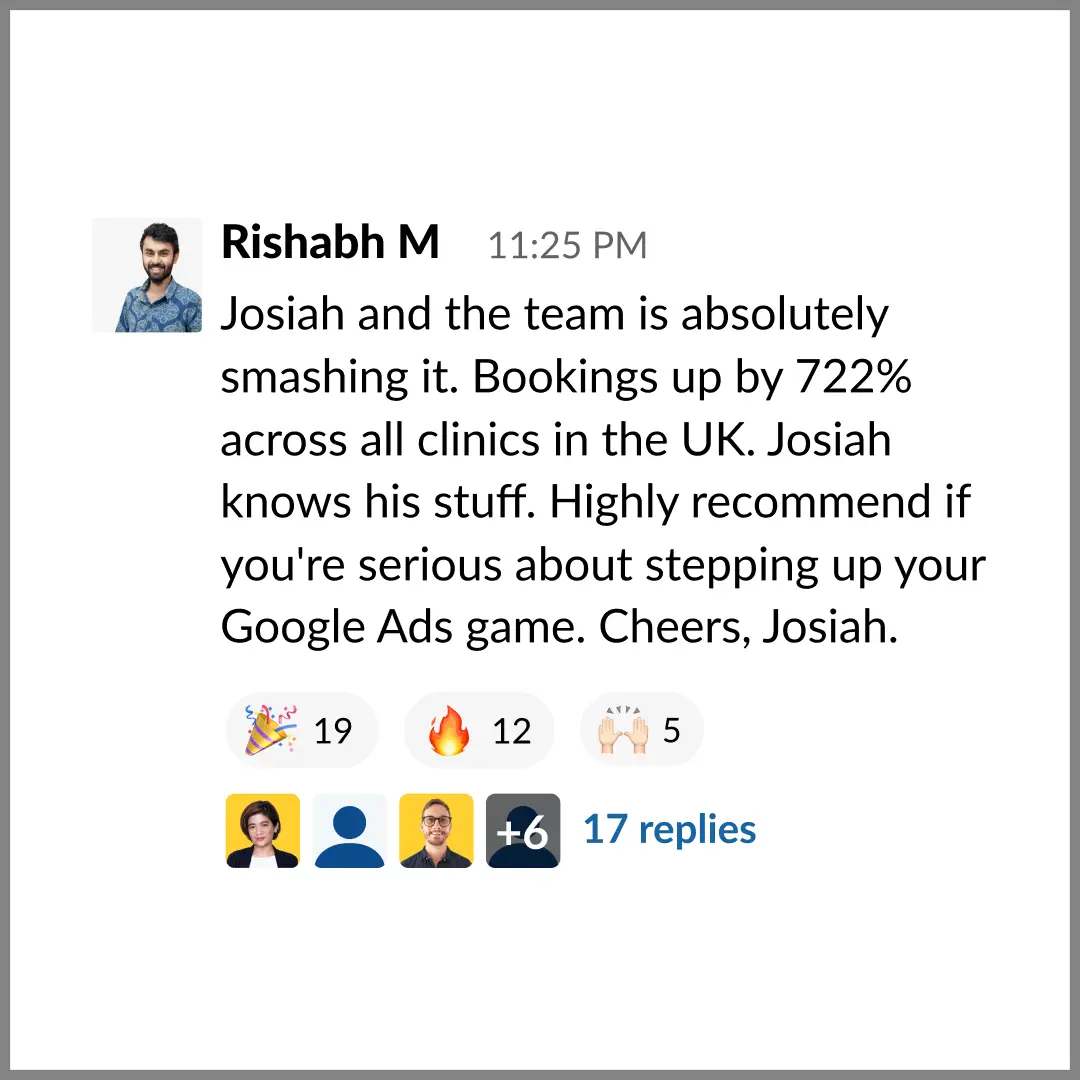
Getting sales dips at the worst possible time?
Every business in Phoenix has ups and downs. Maybe it is seasonal, maybe it is just a slow patch. But waiting it out is risky when bills keep coming. The longer the dip, the harder it is to catch up. Ads give you a way to keep leads flowing even when walk-ins or referrals drop off. Instead of riding out another slow season, you can keep the pipeline full and the sales steady.
We're not a "Google Ads Agency in Phoenix"
Because all they do is setup campaigns and call it a day.
-
Unlimited Google AdsWe create and optimise unlimited ads and campaigns, including copy, setup, testing, and performance improvements (like split testing).
-
Unlimited Landing PagesGet as many paid traffic landing pages as you need to boost ad results, improve Quality Scores, and lower costs, all built on your site.
-
Unlimited CPC ProtectionStop wasting ad spend on fake clicks. Our 24/7 system blocks bots, bad traffic, and click fraud so your budget goes to people ready to buy.
-
Unlimited TasksGet unlimited updates to your Google Ads, landing pages, tracking, and CRO within your plan hours so your campaigns keep improving.
-
Unlimited On-Page SEOWe optimise every landing page we create and any page on your website within your plan's hours to improve your ad results and rankings.
-
24/5 Same Day SupportOur global team works across time zones, so you usually get a reply within a few hours and your projects keep moving around the clock.
-
High-Converting OffersWe work with you to create irresistible offers that improve your landing page conversion rates and make your ads more profitable.
-
Unlimited Funnel TrackingWe record visitor sessions to improve landing pages, boost Quality Scores, and show Google Ads your converting content for ad rank.
-
Unlimited Heat MapsWe track how visitors use your landing pages so we can improve layouts, content, and conversion rates. This is great for Ad Rank.
-
400 Monthly Lead CreditsTrack up to 400 leads or sales each month with enterprise-level tracking to measure revenue and ad ROI, not just lead volume.
-
20 Hours of SubscriptionYour plan includes up to 20 hours of expert work each month, stackable if you need more, powering all unlimited tasks and services.
-
Faster Policy ApprovalsAs a Google Partner, we can help fast track policy reviews and approvals by handling them directly with Google on your behalf.
-
Track Every ChannelWe use enterprise-level tracking to capture leads from SEO, ads, social media, Bing, Reddit, and more, all in one platform. It's super easy.
-
Get Bonus HoursWe often add extra hours at no cost when a project needs more work, so you get more done without paying more (on the house).
-
Manage Tasks in One PlaceSee all your marketing tasks in ClickUp with full transparency, so you always know what we are working on. Nothing to hide here.
-
Focused on Higher ROASWe design and run every campaign with one goal in mind, to deliver stronger returns on ad spend and more profit for your business.
-
157+ Proven Niche StrategiesOur ad strategies have been tested and refined across more than 157 niches, helping us deliver high returns and reliable results for your ads.
-
Bounce Ideas with UsYou can message us in ClickUp anytime for tailored strategy advice, helping you make better marketing moves and close more sales.










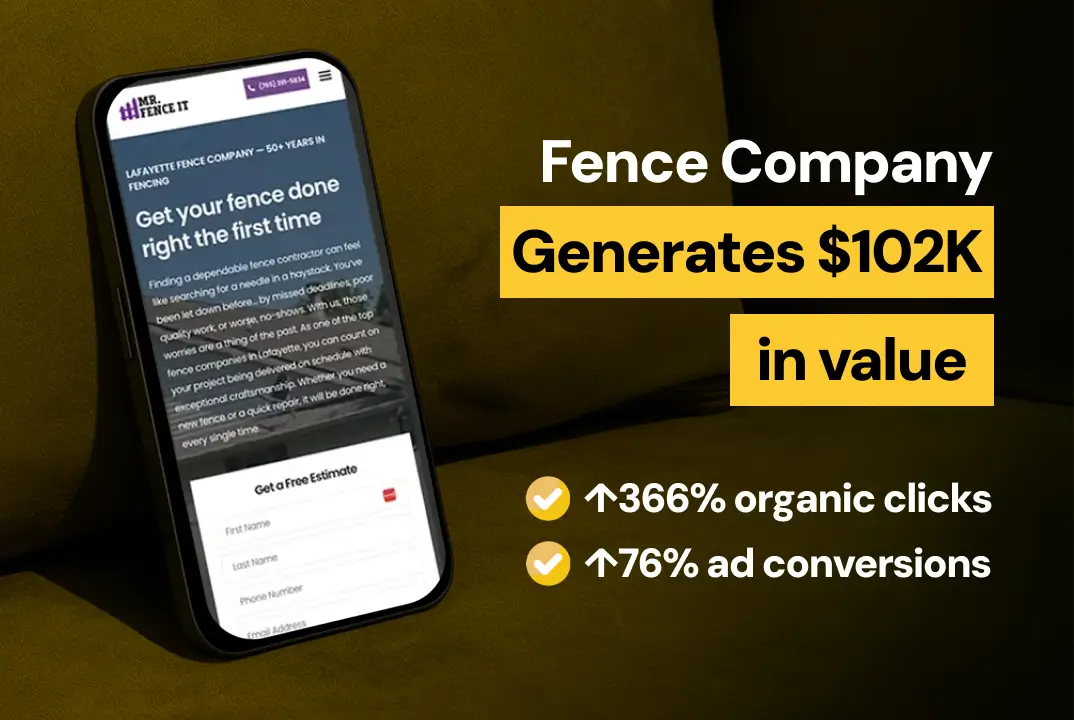
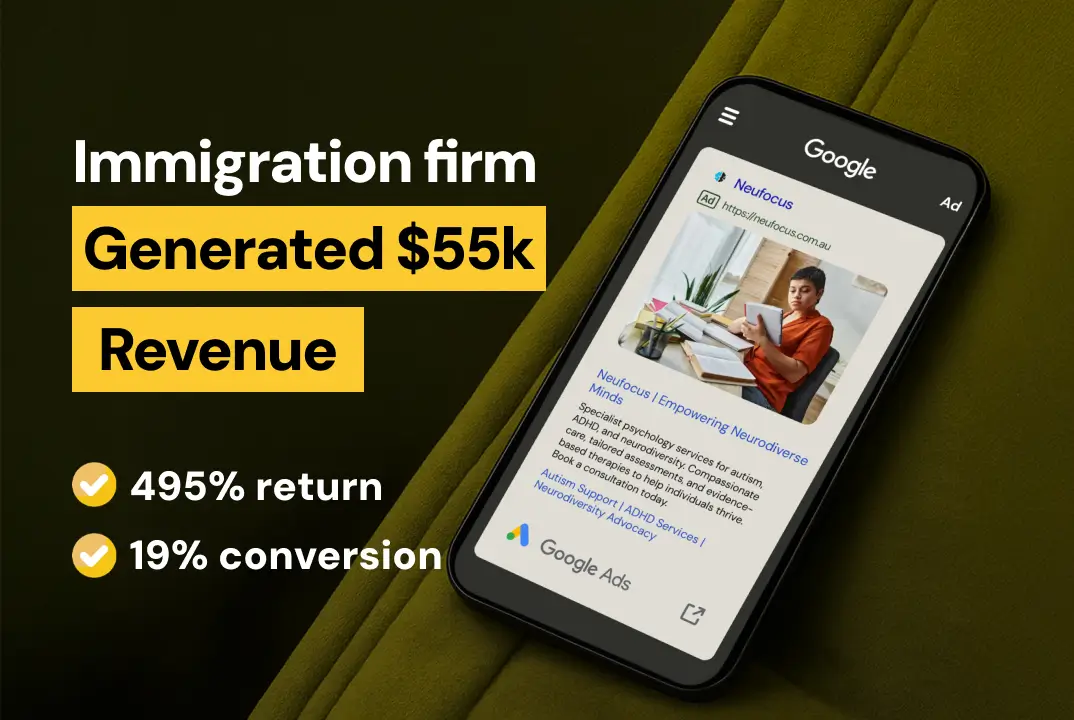
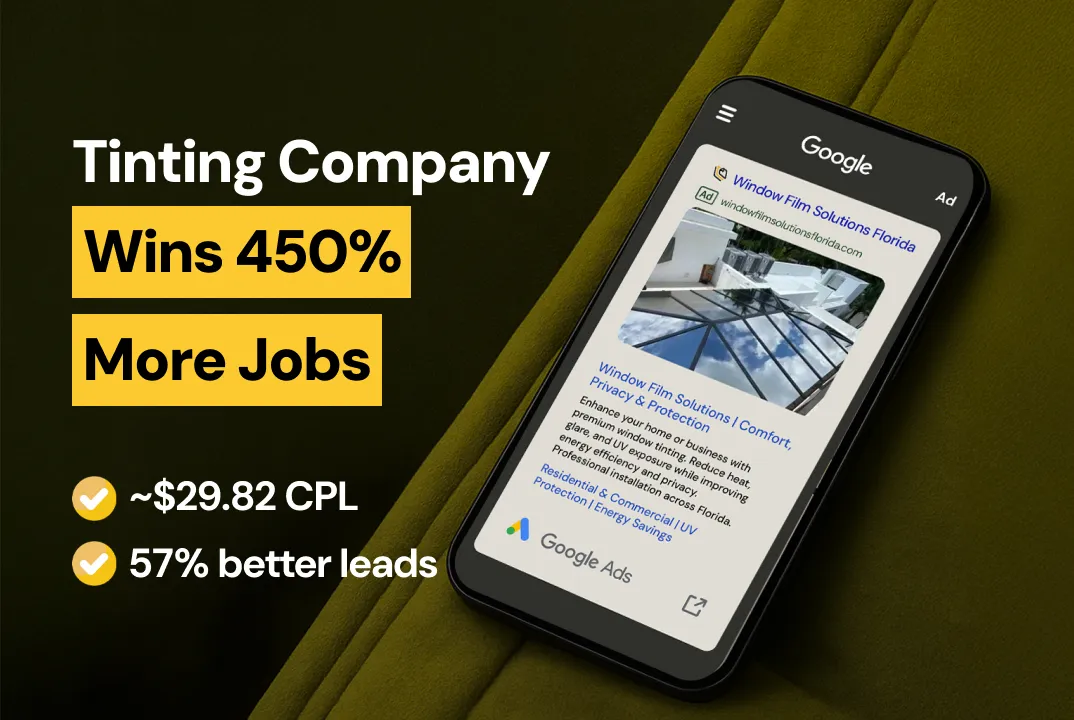
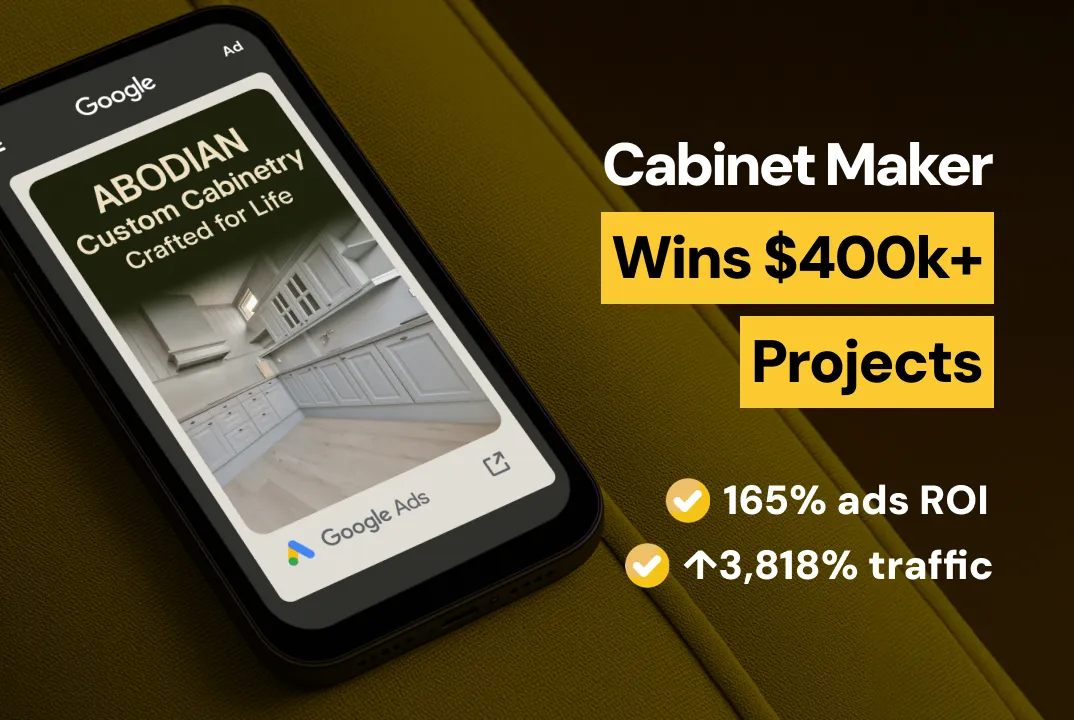
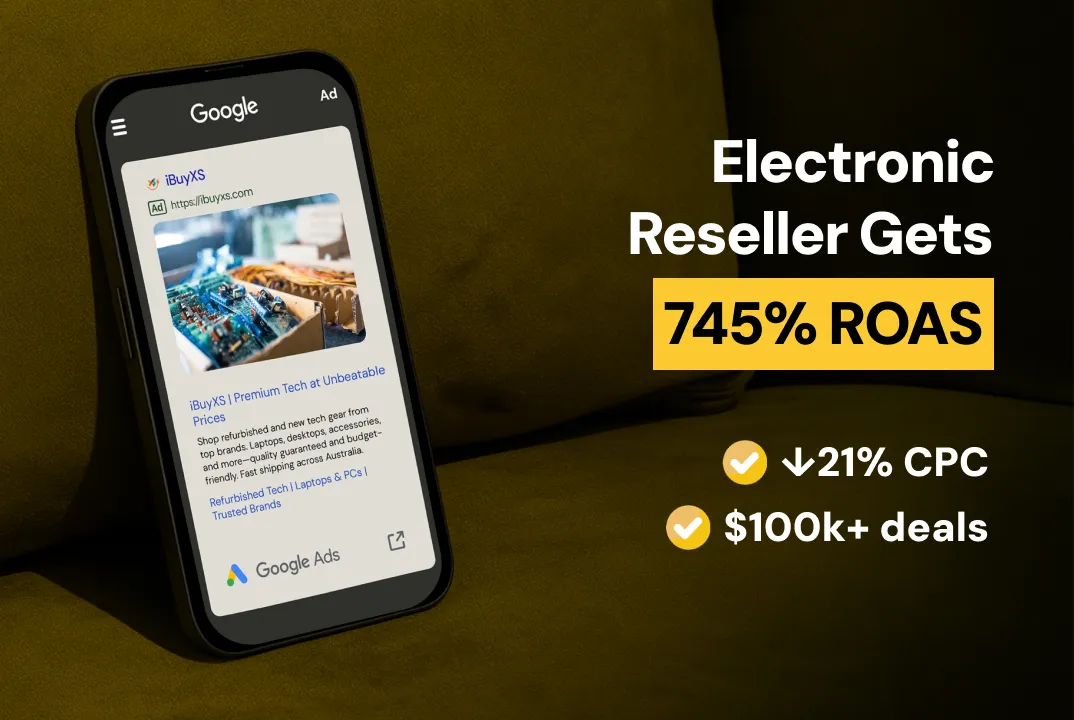
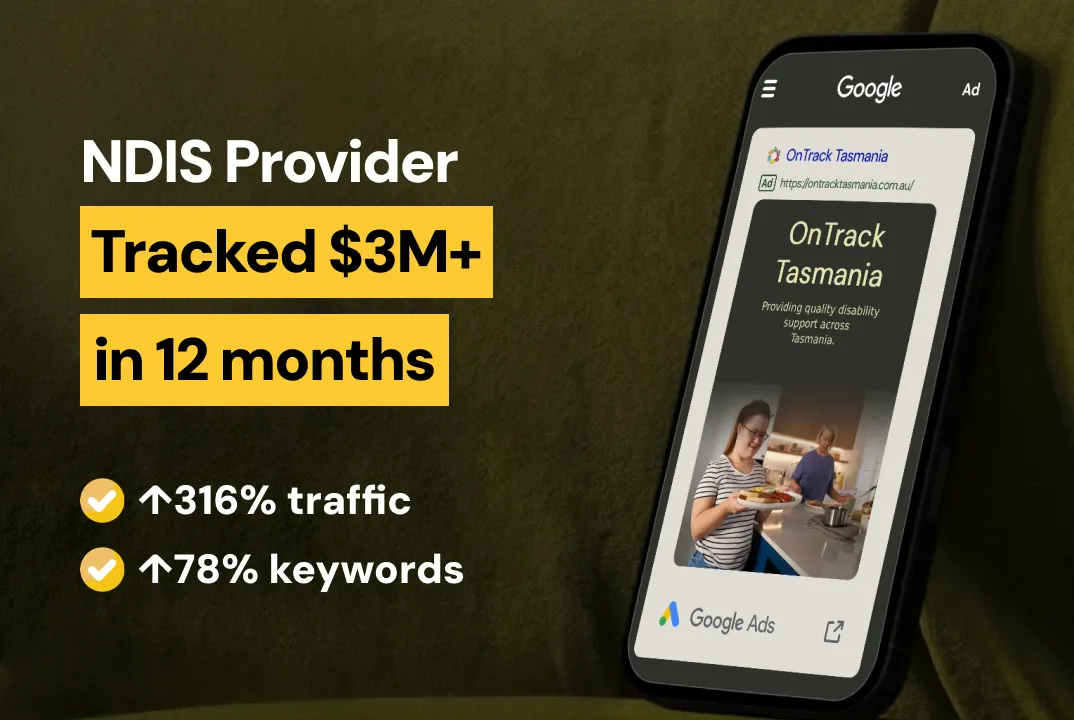
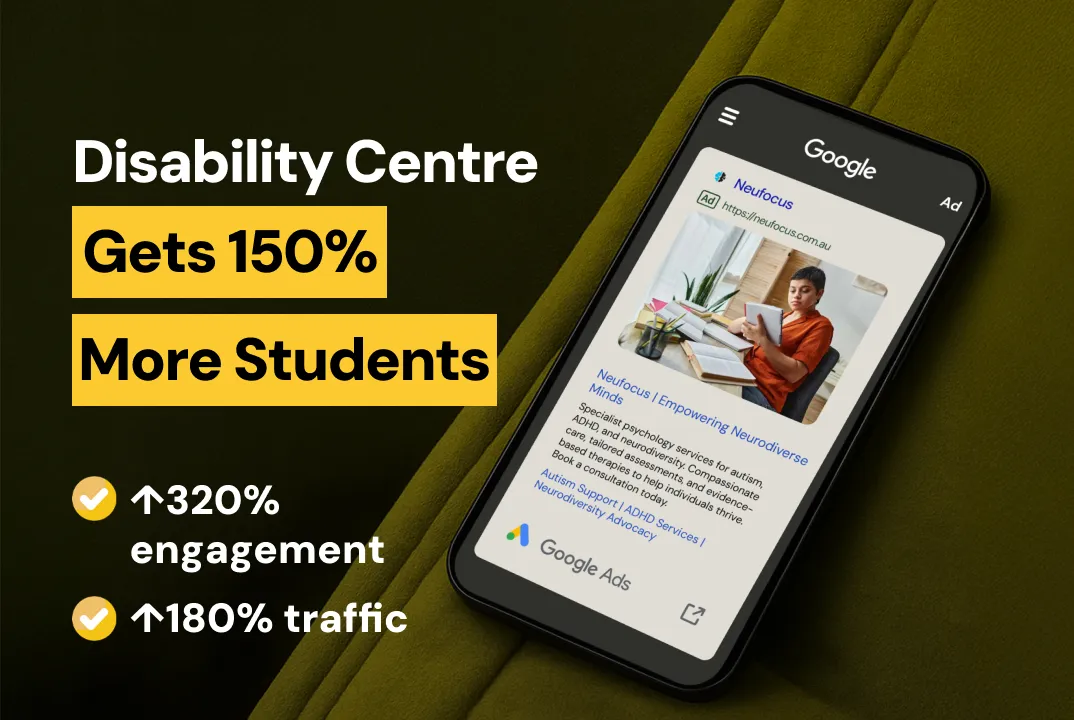
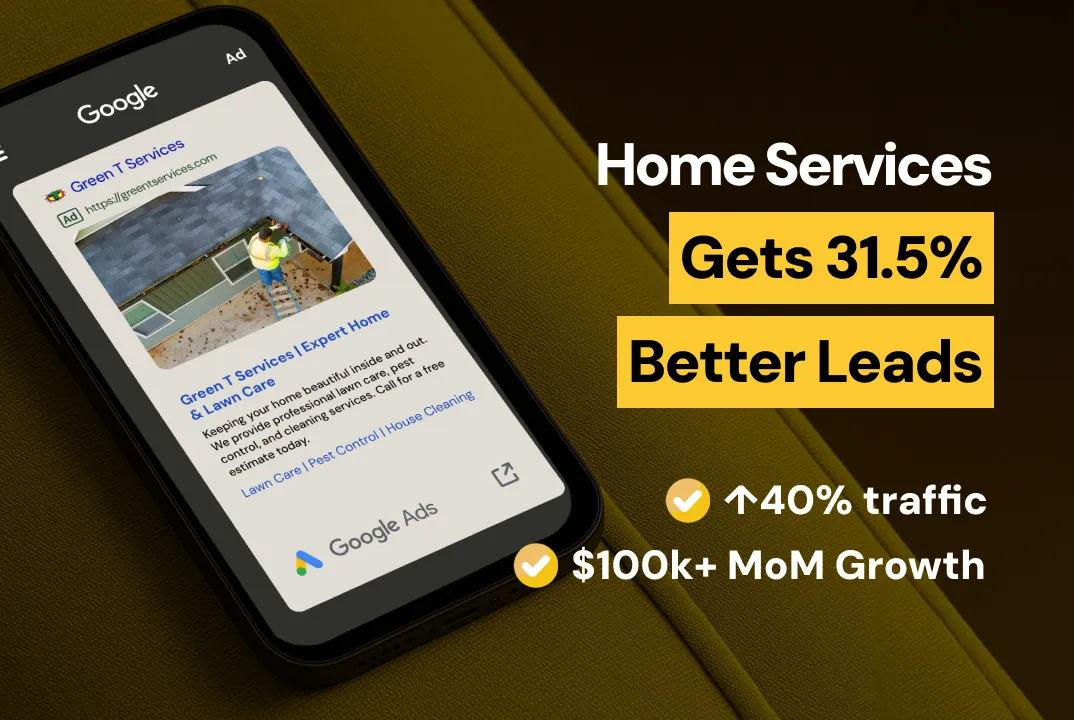
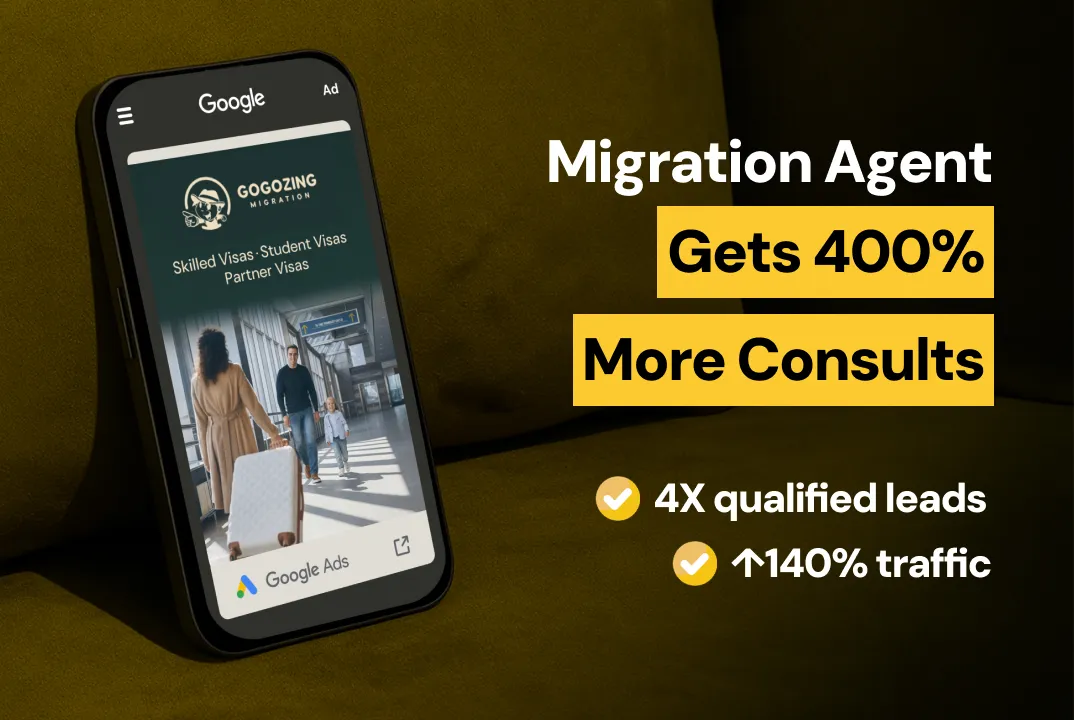
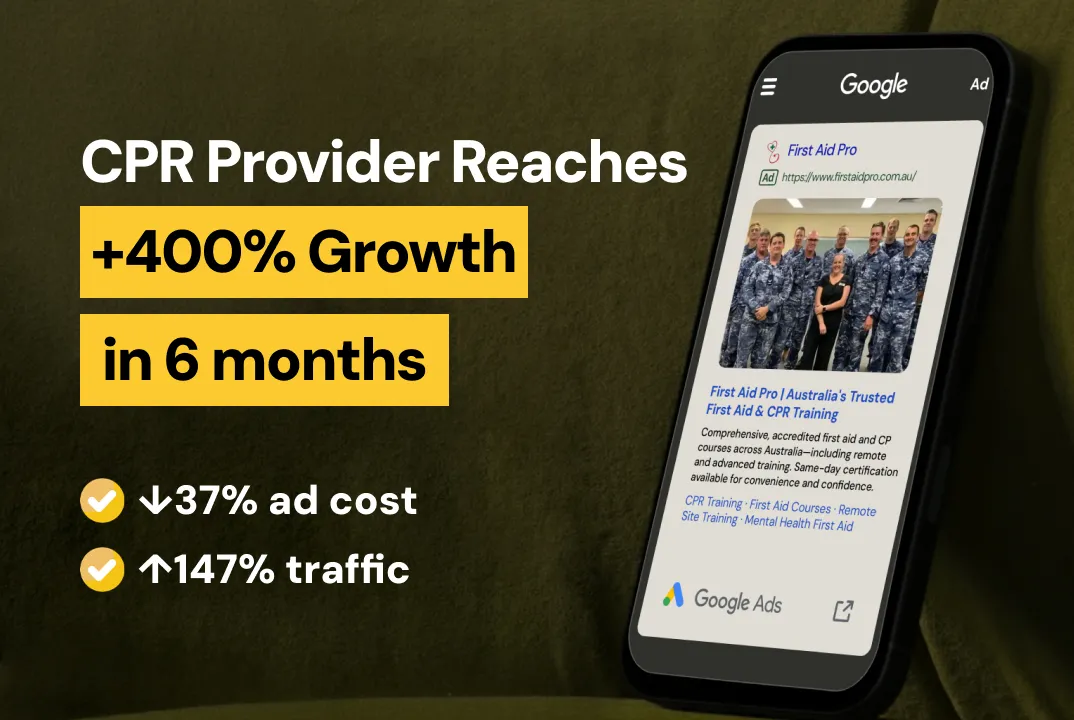
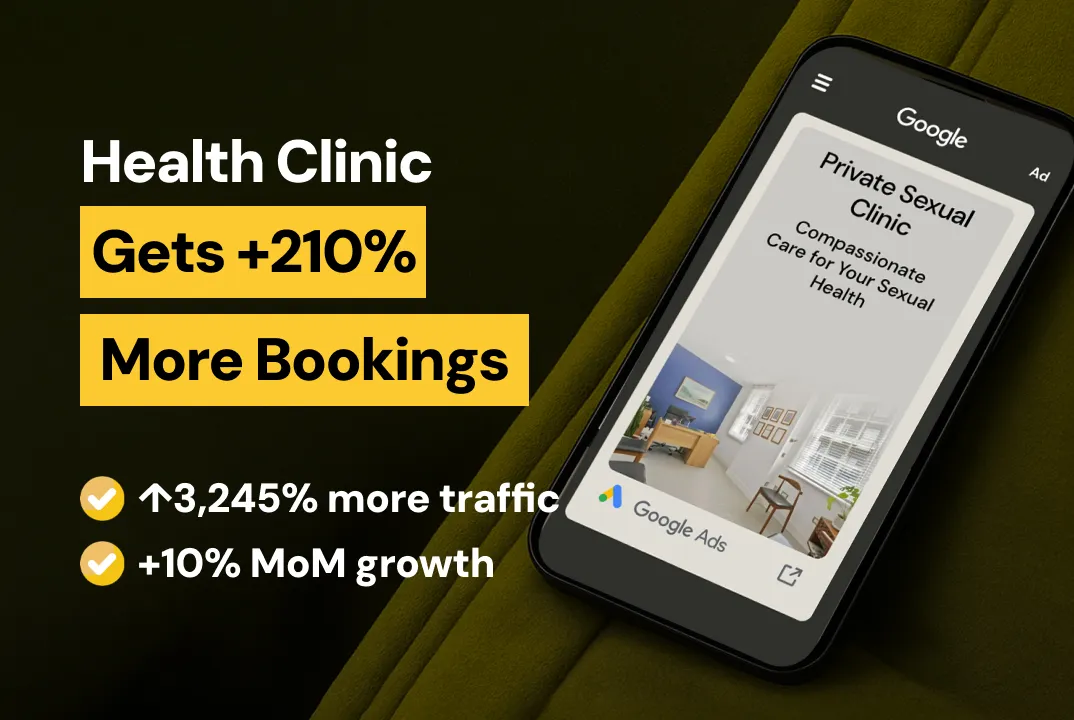
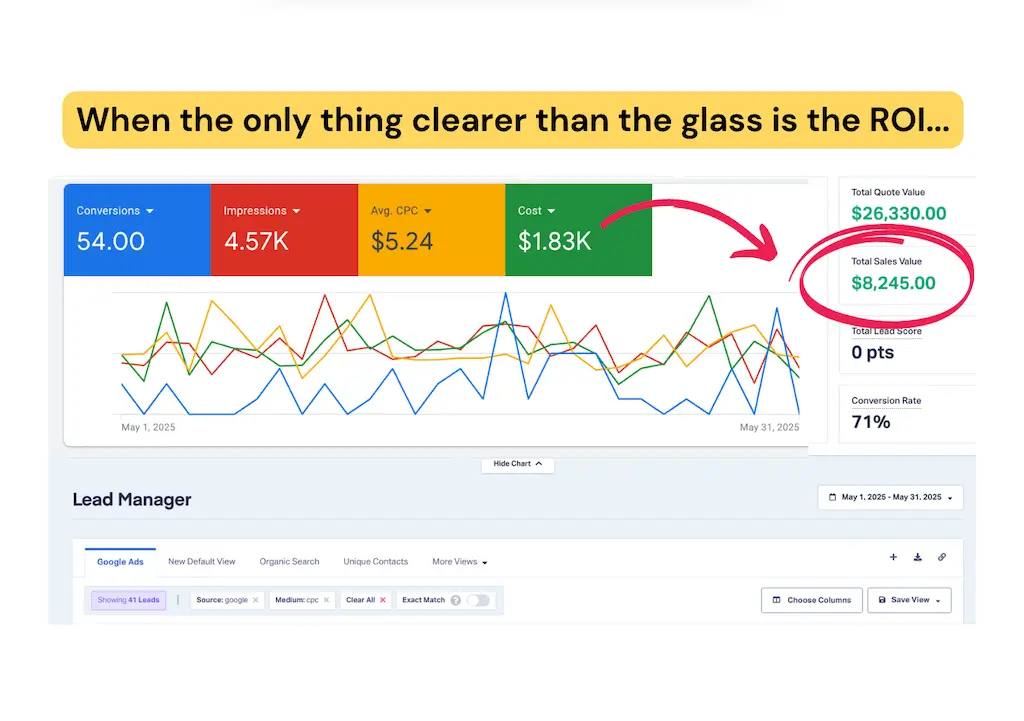
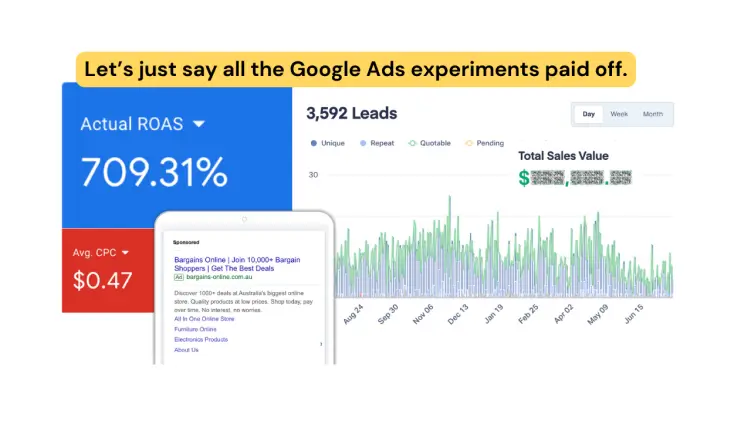
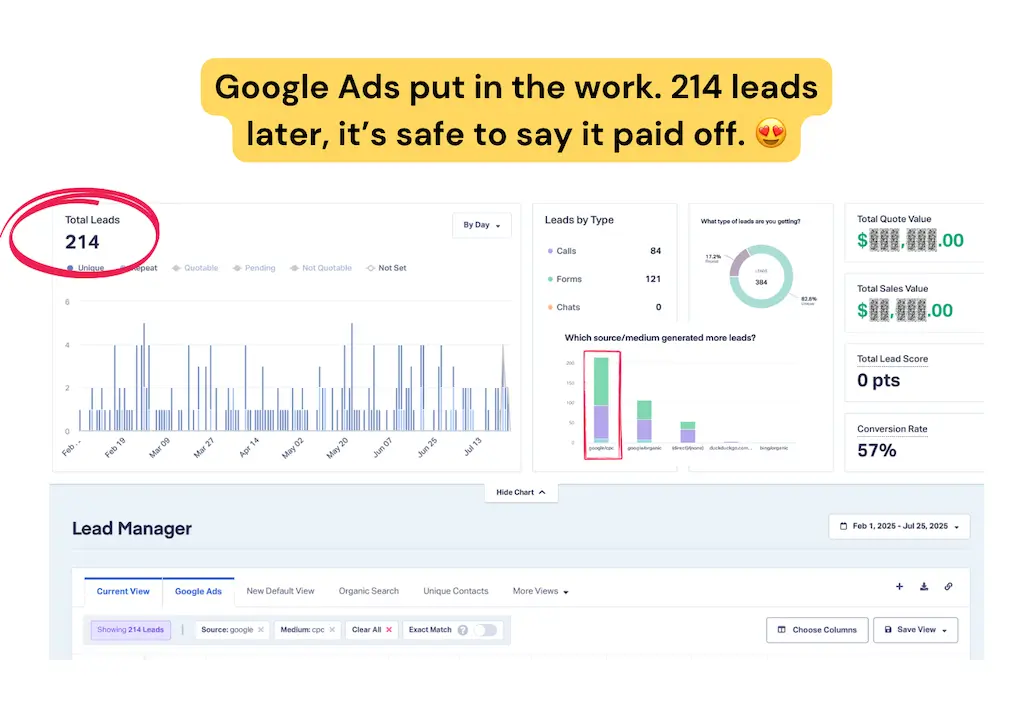
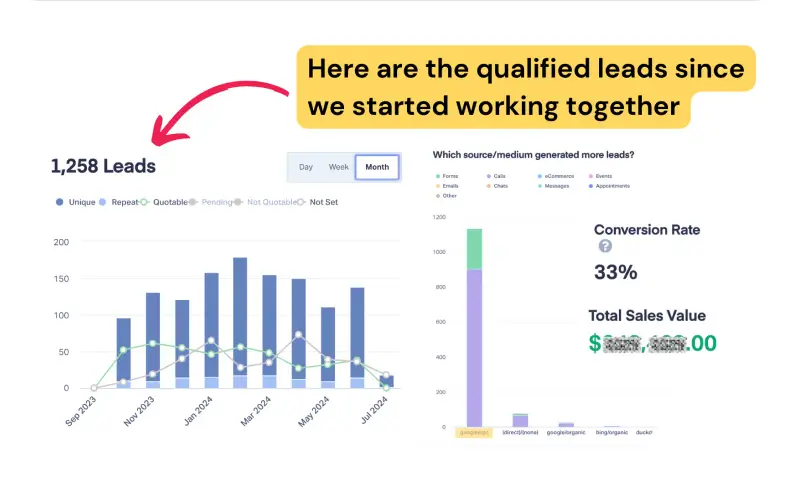
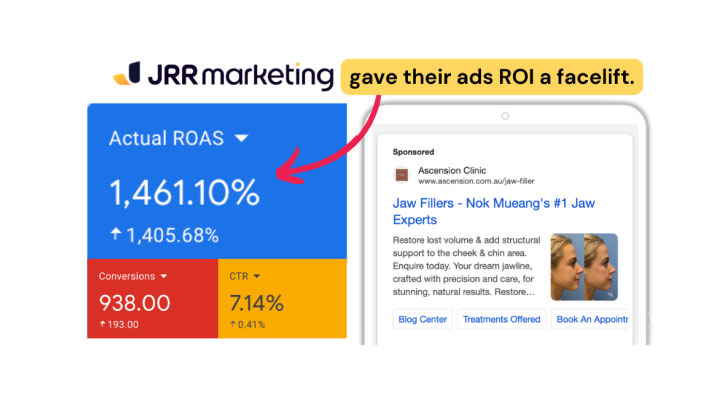
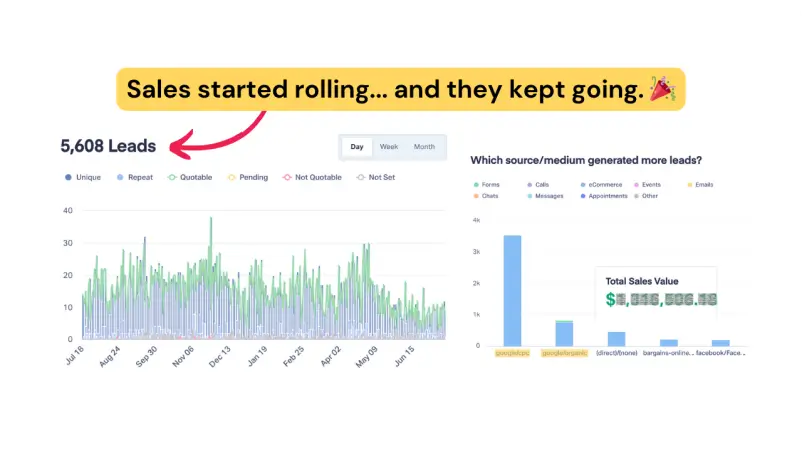
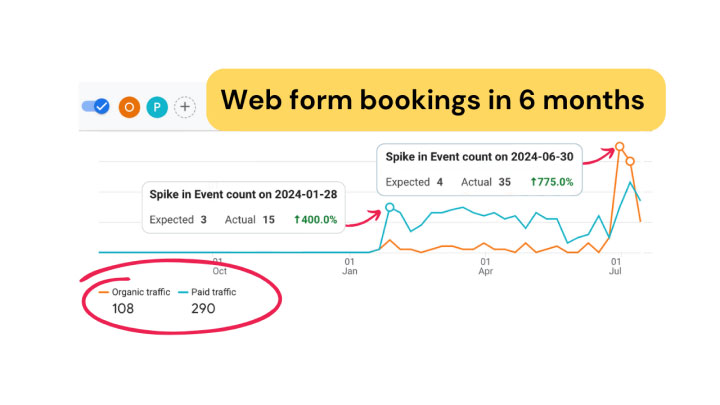
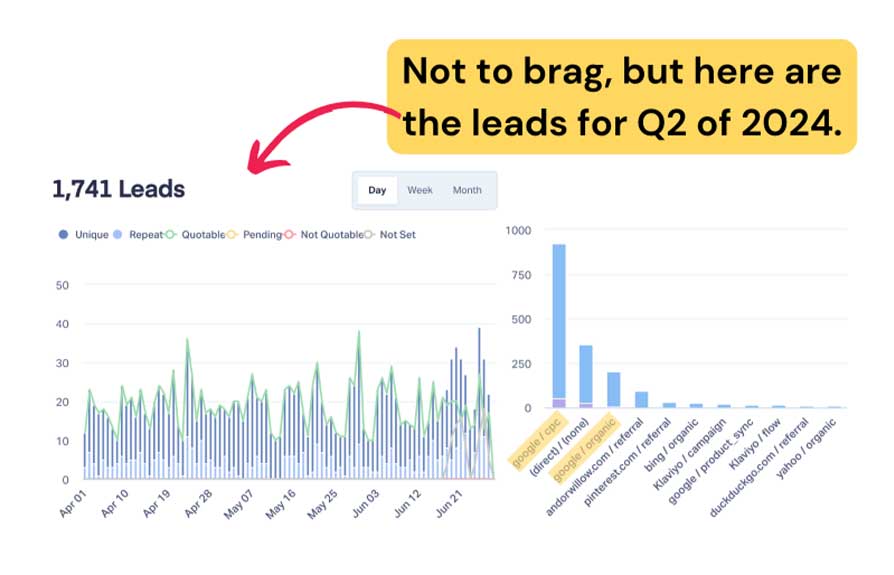
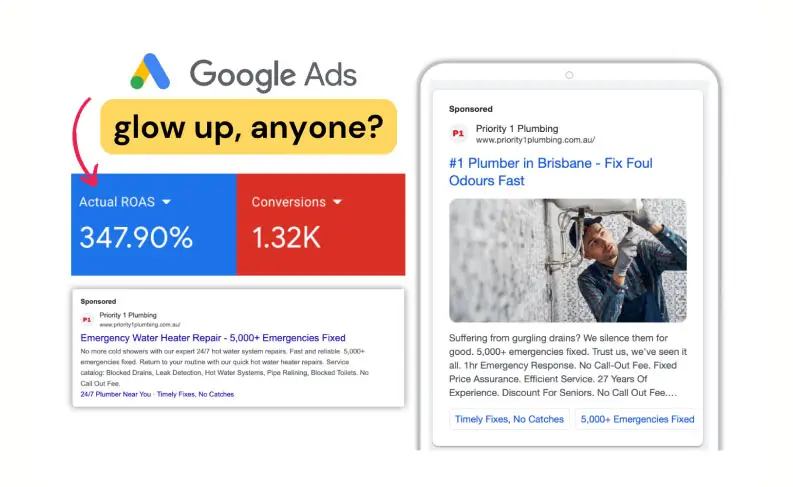
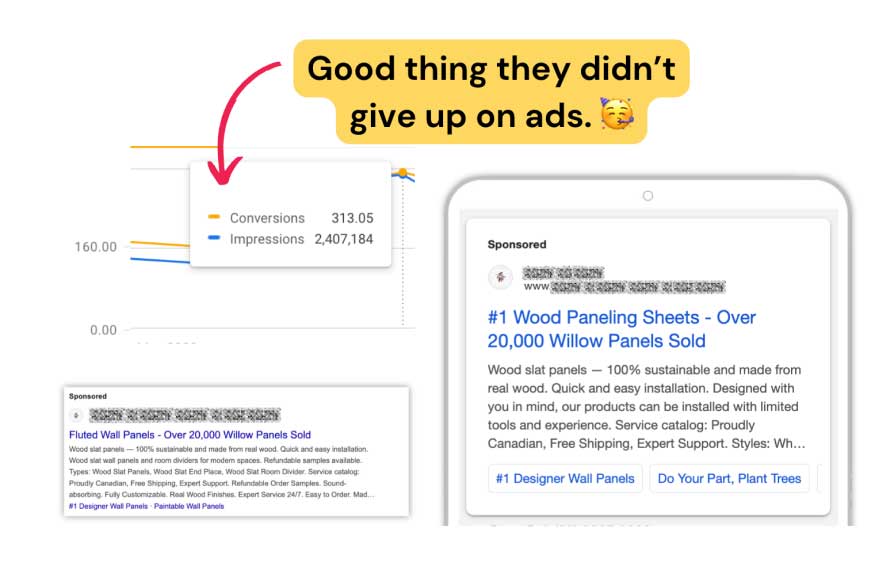
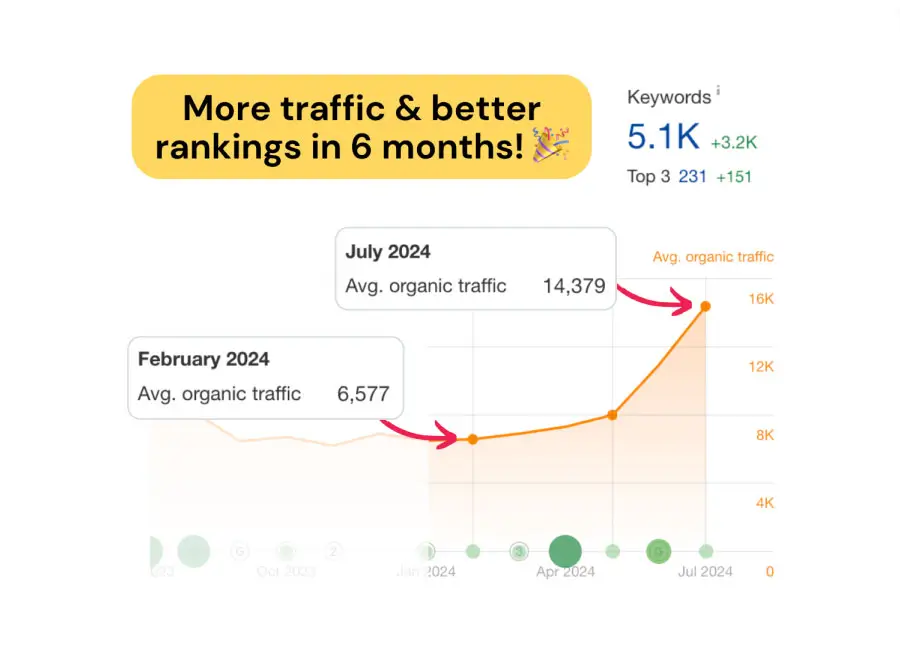
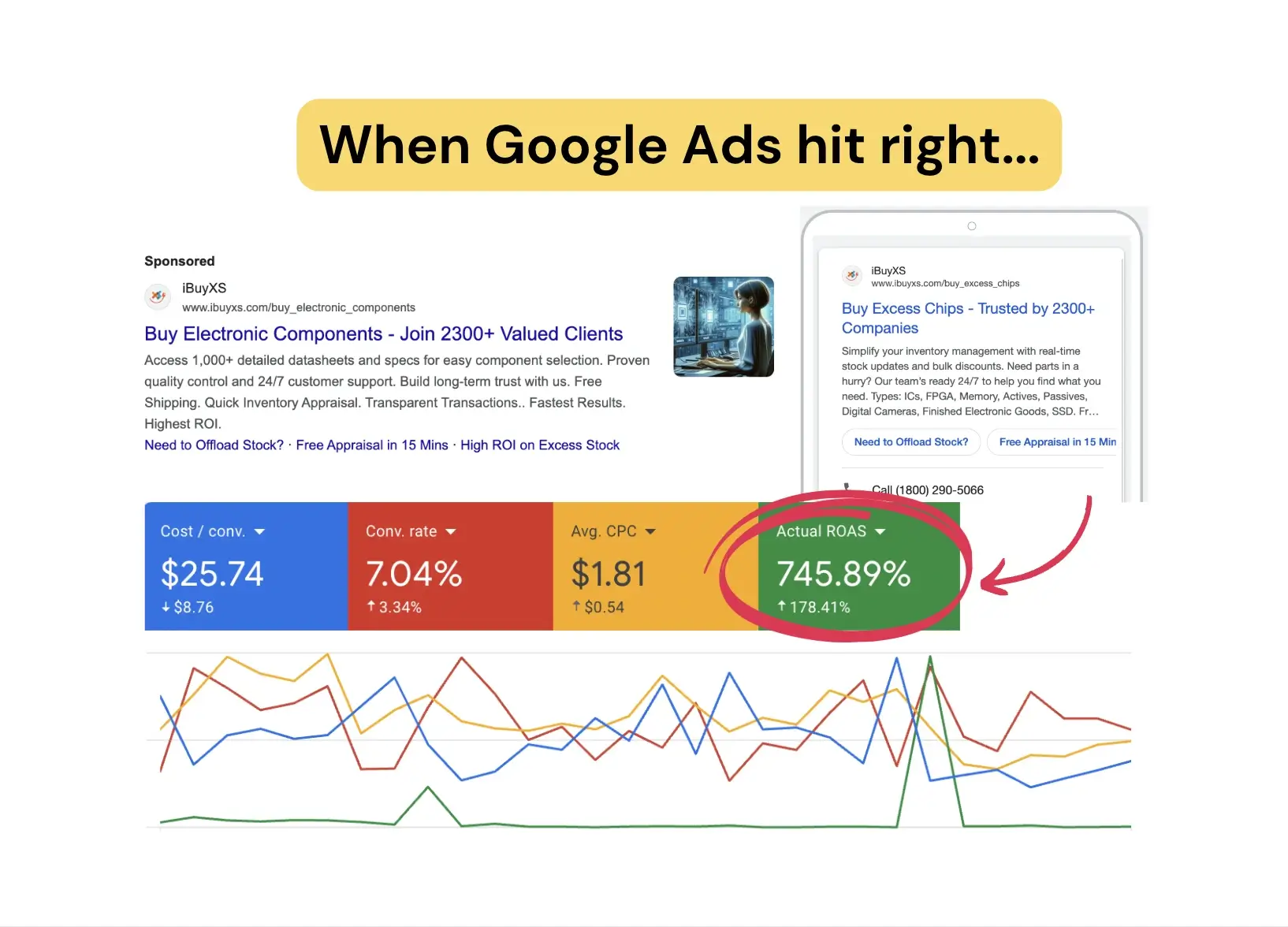
Local businesses who turned clicks into real calls and sales...


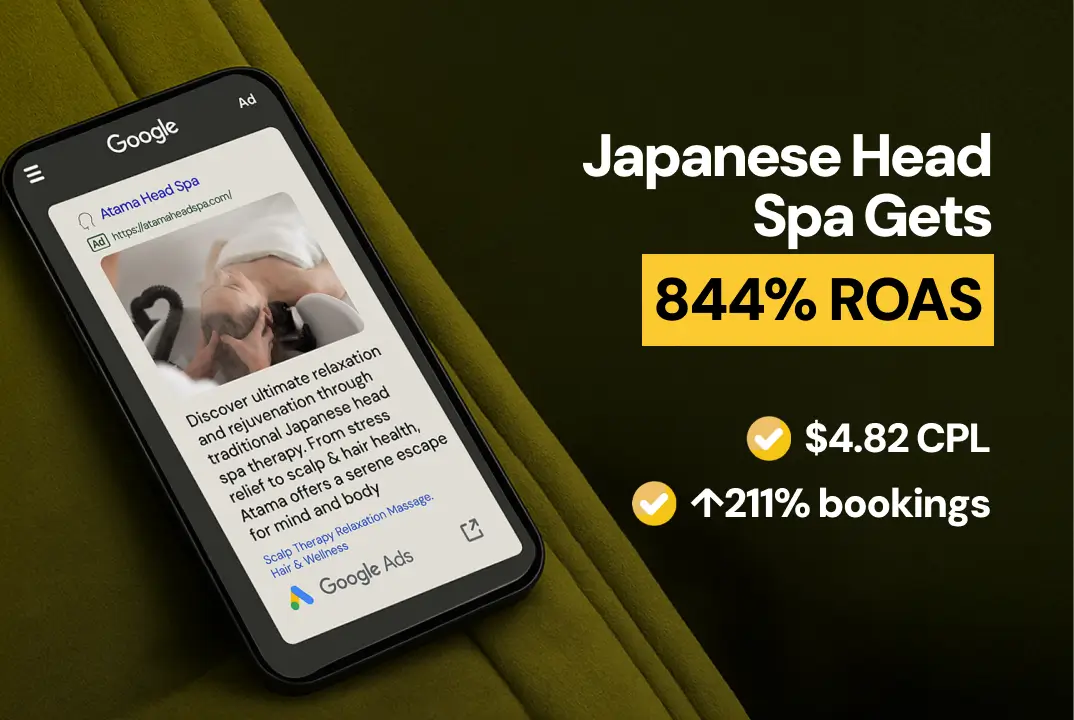
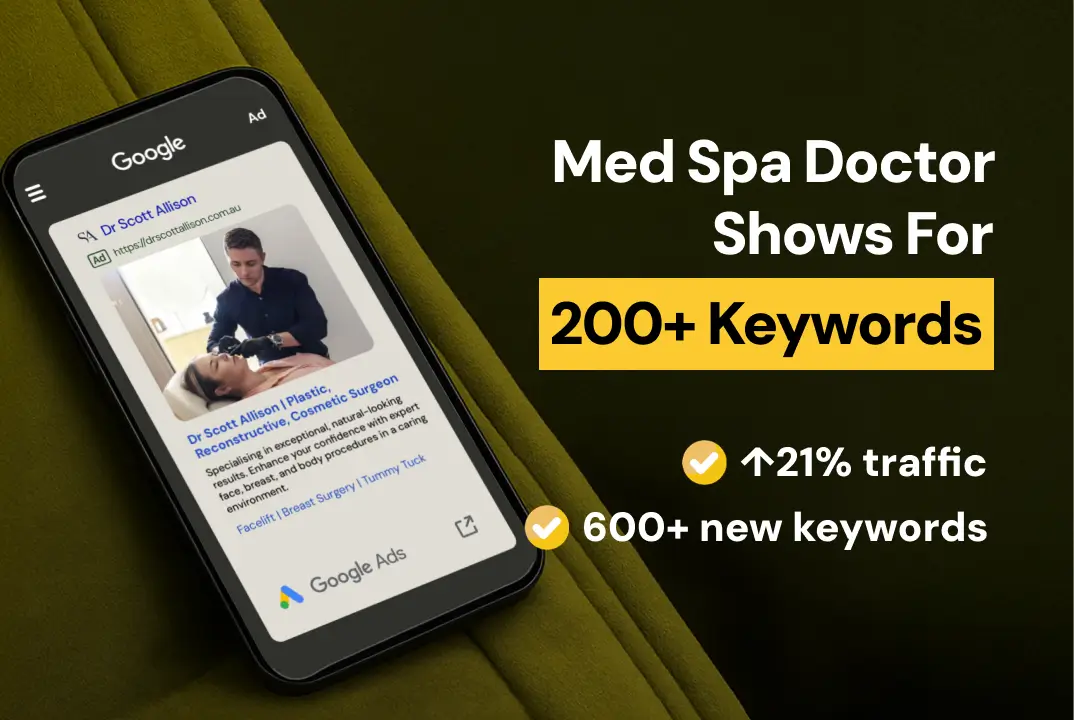
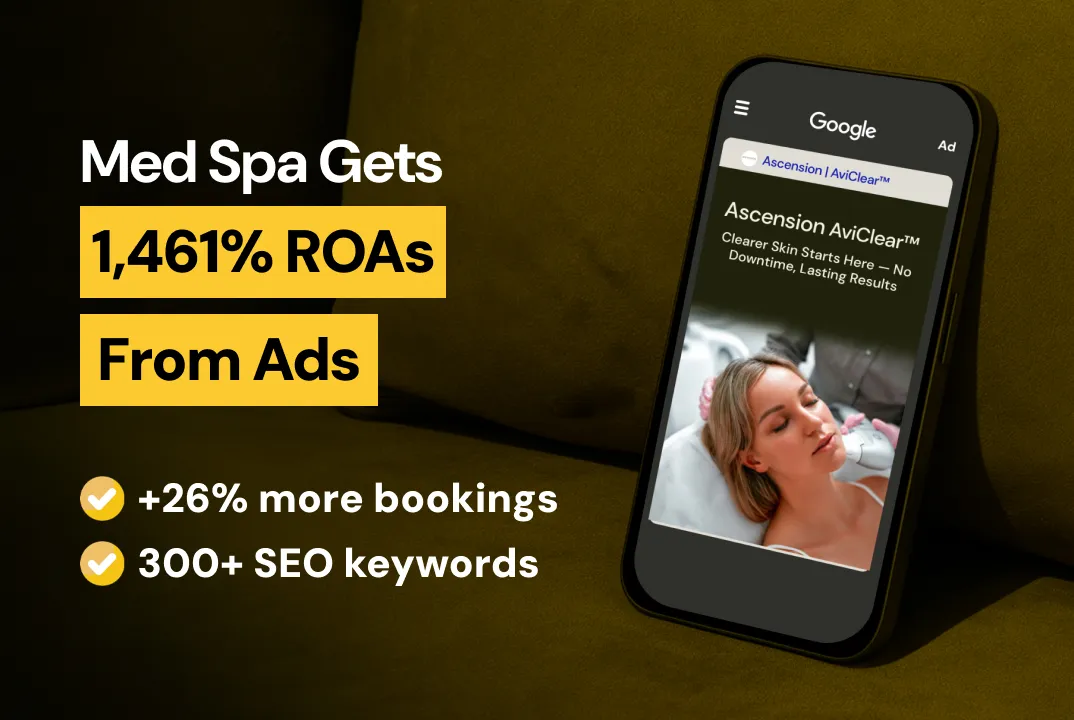
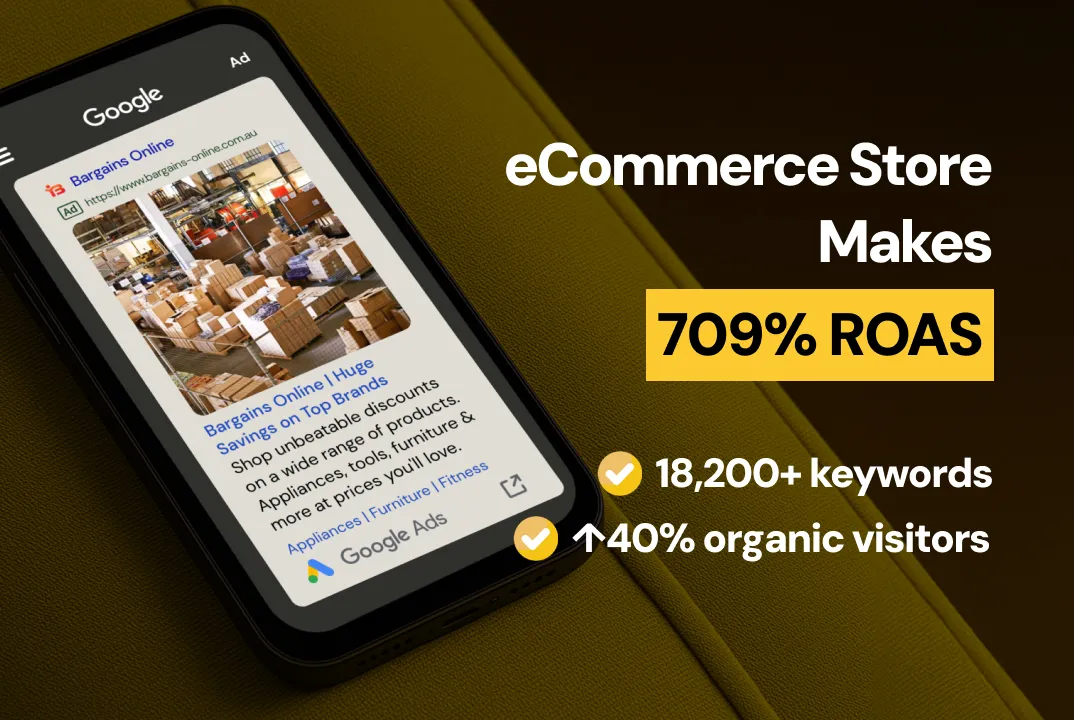
3 simple steps to stop wasting money on Google Ads…
-
Step 1 — Talk About Your Goals In Phoenix
Share what kind of leads, calls, or sales you want from your ads. You explain your goals, and you’ll get a clear plan that’s actually built around your business and the Phoenix (AZ) market. -
Step 2 — Get Campaigns Fixed And Set Up Right
No more guessing in the Google Ads dashboard. We'll get your campaigns cleaned up, organized, and set to send clicks from people who are likely to buy, not random searches that waste money. -
Step 3 — See Results You Can Understand
Instead of confusing charts, you’ll get simple monthly reports that show where your money went and how much came back. You’ll know if ads are working without needing to dig through annoying dashboards.
If we don’t beat your current results within 90 days, you'll get 100% money back, guaranteed.
If we don’t outperform your current marketing agency or in-house marketing team within the first 90 days, we’ll give you your retainer fees back. Only applies to those who pay 90 days upfront and in their first 90 days.
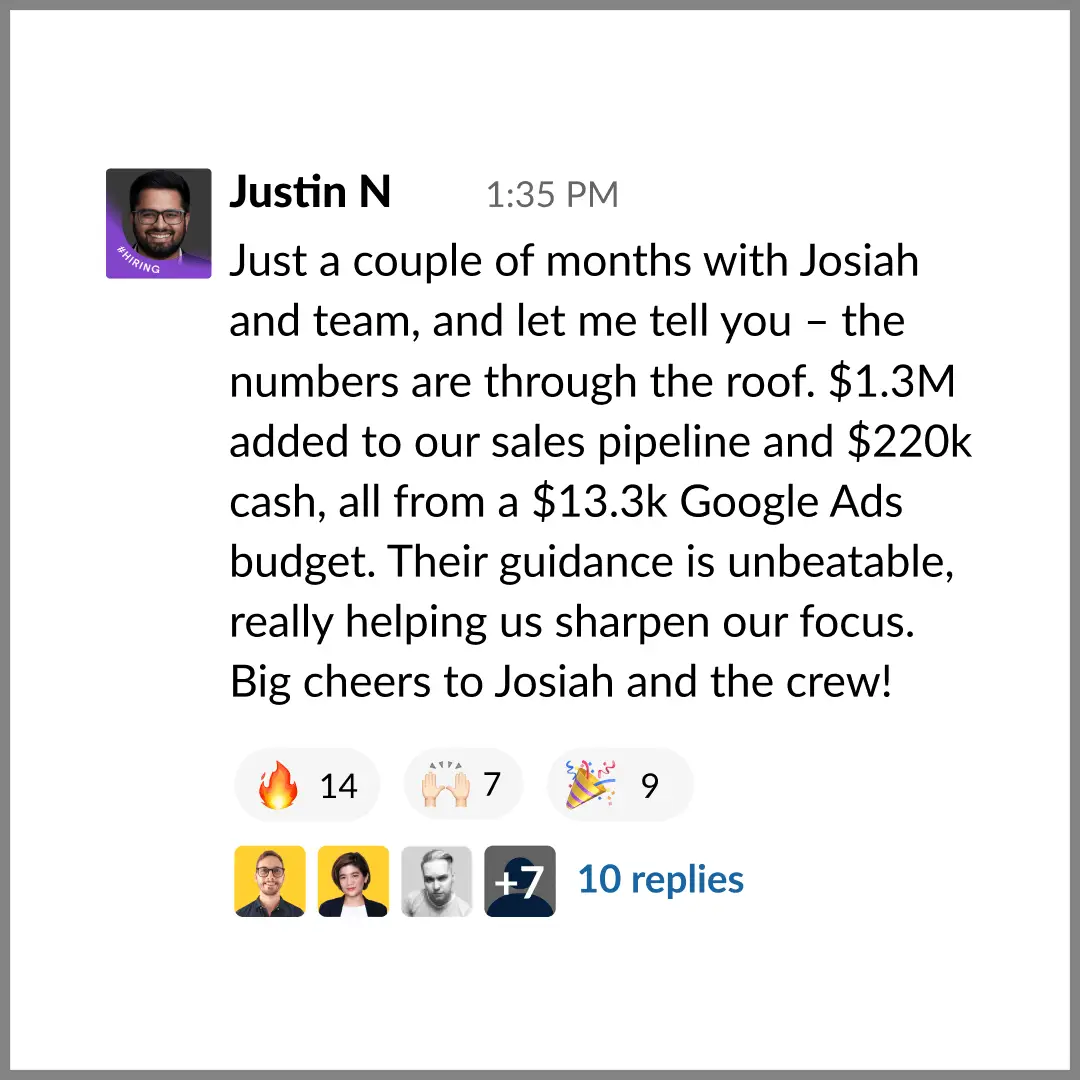
We manage quite a lot of accounts. Josiah was able to reduce our CPA costs by 50% in less than 4 weeks.
Stuck wasting time learning marketing instead of running your business?
You didn’t start your business to become a Google Ads manager, but that’s what it feels like when you’re buried in settings. One hour you’re testing keywords in your Google Ads account, the next you’re tweaking ad copy or landing pages, all while wondering if the ads are performing at all.
Running paid ads, search ads, or display ads on your own can quickly eat up time that should go into serving customers. And hiring the wrong digital marketing agency in Phoenix doesn’t make it easier. Too many ad agencies hand you cookie-cutter campaigns that never deliver the best results.
The truth is, managing PPC ads takes more than guessing. It takes a real Google Ads strategy, campaign management, and optimization that turns clicks into sales. A Phoenix Google Ads management agency can handle that work so you can stop worrying about analytics, ad spend, and reports, and finally get back to running your business.
Questions I get asked as a Google Ads consultant in Phoenix
How do I know if my Google Ads are actually bringing in leads or just wasting money?
A lot of people wonder if their ad spend is being used wisely or if it’s just clicks with no real customers coming through. The tricky part with Google Ads is that the dashboard shows so many numbers, but not all of them matter for your business. Clicks might look nice on paper, but if those clicks don’t become phone calls, forms filled out, or sales, then they don’t really matter.
One way to know if your ads are working is to track conversions, not just clicks. Conversions are the actions you care about, like someone calling your business, booking an appointment, or buying something online. You can set these up in your account so you can see which ads and keywords are bringing in real results.
You should also keep an eye on cost per lead or cost per sale. If you’re paying $20 per lead and your average service is $200, that might be worth it. But if it’s costing you $200 to get someone in the door and you only make $150 on that sale, then something needs adjusting. With the right tracking, you’ll see pretty quickly if your ads are pulling their weight.
Do I really need to check my Google Ads every single day?
It might feel like you need to babysit your account daily, but the truth is you don’t. Ads need attention, but not panic-level attention. Usually, a weekly detailed check-in is enough to see how things are tracking. If you’re making changes daily, you might get misled by normal fluctuations and end up hurting your campaign.
Think of Google Ads like a car engine. You don’t fix it every single drive, but you do give it regular tune-ups. A smart routine might look like a quick glance every couple of days for any issues and then a longer check once a week. That weekly review should include looking at which keywords are costing money but not producing results, which ads have the best click-through rates, and how your conversions are adding up.
The only time daily monitoring is needed is if you’re running a temporary campaign with a short deadline, like a holiday special or event. Otherwise, set aside regular weekly time, make data-driven changes, and avoid the stress of micromanaging every single day.
Will I get locked into a long-term contract?
No, you won’t be locked into a long-term contract. The only commitment here is a simple 30 day notice period. That notice usually lines up with your next billing cycle, so depending on when you give notice it could take 30 to 60 days before everything is fully wrapped up.
This setup is meant to give you flexibility without cutting things off suddenly. It also gives enough time to close out campaigns, shift budgets, and make sure you leave on good terms with all your data intact.
Unlike agencies that tie you into 6 or 12 month contracts, you’re never stuck here for the long haul. You keep ownership of your ad account too, which means you take all your history, campaigns, and results with you if you move on.
It’s straightforward. You have the freedom to leave whenever you want with just a notice period, and you stay in control of both your money and your account.
How can I know if my ads are set up in a way that’s right for Phoenix customers?
The Phoenix market has its own trends and seasons, and if your ads don’t reflect that, you risk paying for clicks from the wrong crowd.
Start with location targeting. Your ads should be set to show only within the city or nearby suburbs where customers can actually reach you. You can also tailor your ad copy to mention Phoenix directly, which makes you sound more relevant to local searchers.
Think about timing too. For example, if you run a service business and most of your calls come in during weekdays, schedule your ads to show more heavily when you’re available. Testing local terms people in Phoenix use, including neighbourhood names or landmarks, can also make your ads connect better.
Even if you’re in a competitive space, making your ads feel more local and targeted can cut out wasted clicks and bring in the right type of customer instead of random people.
What should I look for in a Google Ads report so I know I’m not being misled?
Many reports are filled with jargon and charts that don’t really tell you anything useful. If you just see clicks and impressions, that doesn’t show if your money is turning into business. What matters more are numbers tied to your goals like calls, booked jobs, or sales.
Look for metrics like conversion rate (how many clicks turn into leads), cost per conversion (what you’re paying per lead), and geographic breakdown (making sure most of your leads are actually in Phoenix). A good report should also compare month over month, so you see trends instead of just random snapshots.
Don’t let flashy numbers fool you. Lots of clicks might look impressive, but if none of those people are calling, it’s wasted spend. Ask for plain-English takeaways part of the report, like “Your largest spend came from mobile searches near Phoenix between 6 pm and 9 pm, and those clicks gave you the most calls.” Simple summaries like that will give you a far clearer picture of whether your ads are really working.
What if I’ve already tried Google Ads before and it didn’t work?
This is a common situation. Maybe you ran ads yourself or hired someone in the past, and the results didn’t justify the cost. That doesn’t always mean Google Ads won’t work for you. Often, the issue comes down to setup and tracking.
If the campaigns weren’t tightly targeted or if conversion tracking wasn’t installed, you may have been paying for lots of useless clicks. Another common mistake is sending ad traffic to your homepage instead of a focused landing page. If a visitor has to click three times to figure out how to call you, many will drop off.
It helps to review what went wrong before. Were you bidding on very broad terms like “lawyer” instead of “family lawyer phoenix”? Did you skip negative keywords that could have filtered out “free” or “cheap”? Sometimes just cleaning up these basics can make the difference between wasted spend and winning leads. Don’t write off the platform just yet, because a few adjustments can change the outcome.
How fast should I expect results from Google Ads?
One of the biggest questions is timing. People want results quickly, but not all industries or budgets move at the same pace. Generally, you can see early signs within the first 1 to 2 weeks, like clicks starting to come in. However, meaningful results like calls and leads often take 1 to 3 months of steady running and testing.
Why? Because at the beginning, you’re collecting data on which keywords, ads, and times of day actually work. You might find out half your budget is going to wasted traffic, which you wouldn’t know until you have enough data. Once you identify what works, you can shift your spend into the areas that bring in paying customers.
Think of those first weeks as the testing phase. After adjustments, the campaigns begin to stabilise and produce consistent leads. Expecting instant results can set you up for disappointment, but giving the campaigns proper time lets you refine and control wasted spend.
How do I stop my competitors from showing up ahead of me?
It’s annoying to search for your service and see your competitors sitting above your ad or listing. There are a couple of things you can do here.
Ad rank in Google Ads is based on a mix of your bid amount, your ad quality score, and how relevant your ad is to the search. Trying to always outbid competitors can get expensive fast, so improving ad quality is usually a smarter approach. Quality score comes from having relevant keywords, well-written ad copy, and a landing page that matches what the searcher wants.
Another step is to focus on your local presence. If you’re based in Phoenix and your ad makes that clear, Google is more likely to give you priority over a company that runs ads everywhere nationwide. Reviewing your keyword list regularly also helps make sure you’re not fighting for terms that are too broad or costly. By fine-tuning relevance and showing Google your ad is the “best fit,” you stand a better chance of showing above your competitors without overspending.
How can I stop wasting money on random clicks?
Click costs add up quickly, especially if those clicks don’t convert to sales. The best way to stop wasting money is to be ruthless with targeting. Instead of casting a wide net, focus on the exact phrases the right kind of customer would type into Google. Add negative keywords so your ads don’t trigger for people searching “free”, “cheap”, or “DIY”.
Also, make sure your campaign is only targeting Phoenix or the surrounding areas where you actually serve customers. Too many times, money is wasted because ads show up for people outside your service radius.
Another huge factor is the landing page. If someone clicks your ad and ends up on a page that doesn’t clearly show what you do or how to call you, they’ll leave without taking action. Streamlining that path from click to conversion can do more to save you money than tweaking bids.
Always ask yourself: is this click likely to become a customer? If the setup points to the wrong crowd, you’re going to keep bleeding ad spend. Careful targeting and simple customer-friendly pages are what make the big difference.